
Most homeowners start exploring heat tape only after an ice dam problem, which means you’re probably comparing companies for a job you have never hired for before. A professional heat tape installation can protect your roof from ice dams for years. However, hire a contractor who uses cookie-cutter solutions or poor-quality materials, and you may not see much benefit.
How do you find a qualified contractor to get the job done right?
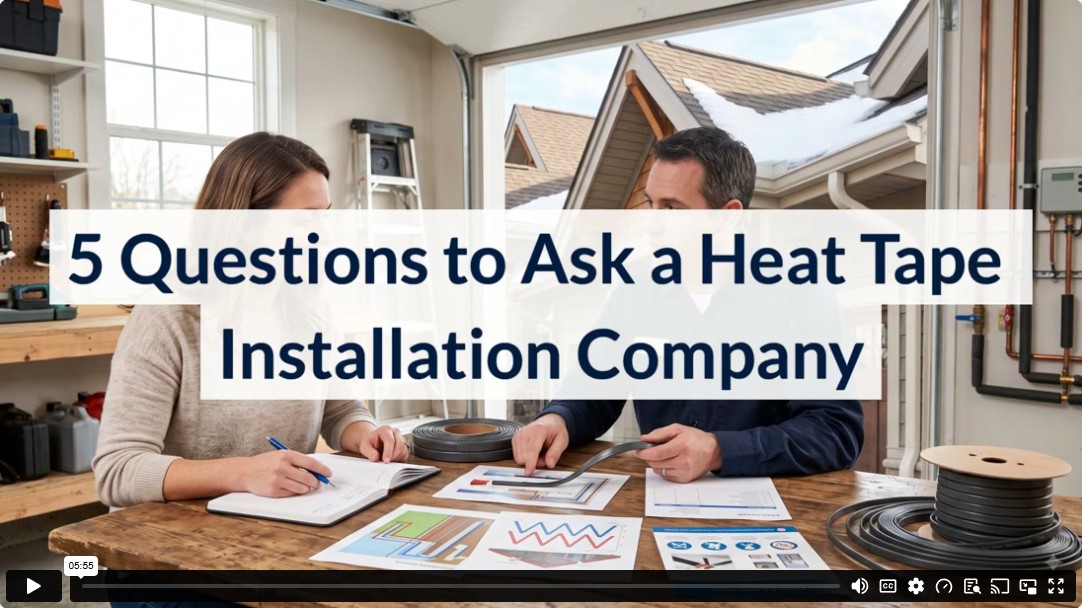
These five questions can help you determine whether a heat tape installation company is qualified to install a heat tape system on your roof.

1. Do They Know the Roofs in Your Area?
Heat tape installation isn’t a one-size-fits-all approach. Ice dam patterns are driven by local weather conditions, the shape of the roof, and how heat escapes from living spaces below. A company that installs heat tape regularly in your area knows the weather patterns and how regional roofs respond.
In Northern Utah, that means understanding how the area’s freeze-thaw cycles work. It means knowing that valleys are particularly vulnerable points on many local roofs, especially where a valley feeds into a lower-pitched section. And it means working regularly with the asphalt shingle roofs that make up the large majority of residential housing in the region.
Often, a company that works in your area consistently can also give you a more accurate estimate. They’ve seen enough local roofs to know where the problem areas tend to be, which means fewer surprises during installation and a more precise picture of what your specific roof actually needs.
Ask how long they have been installing in the area, and what roof types they typically work on. You want a company that knows how roofs like yours behave in Utah’s cold climate.
2. What Hardware Do They Install?
The cable is the most visible part of a heat tape system, but the hardware holding it in place is what determines how long the system stays functional.
Professional installations typically use heavy-duty clips that can hold up through years of freeze-thaw cycling, and cable guards at the points where the cable faces the most wear over time.
The distinction between professional and consumer hardware isn’t in the cable material itself. That is reasonably similar across product lines. Where professional installs differ is in the accessories, which include thicker, more durable clips that don’t work loose over time and cable guards at stress points.
Ask the company what clip type they use for your roof material, whether they install cable guards, and at which points. Look for a company that thinks through the hardware side of the install, not just the cable run.
3. Does the System Include the Gutters?
A heat tape system that covers the roof surface but stops before the gutters only solves half the problem.
When water melts off a heated roof and into a frozen gutter, it has nowhere to go. The water pools, refreezes, and the ice weight builds up in a gutter that isn’t designed for sustained ice loads. The fascia boards your gutters attach to start to take hidden damage from that weight long before anything looks obviously wrong from the outside.
A complete installation runs cable through the gutter trough and down through the downspout to the ground, keeping a drainage path open from the roof all the way out.
Ask specifically whether the installer includes the gutter and downspout runs. Some companies include them as standard. Others treat them as an add-on. Make sure you understand what you’re getting.
4. Does the Work Come With a Warranty?
A workmanship warranty is the clearest signal that a company stands behind its work.
Manufacturer coverage protects against defects in the product itself. A workmanship warranty covers the installation, which is the part only the company doing the work is responsible for. The second one is the coverage you should be asking about.
When you hire a professional installer, you’re paying for expertise and support. A warranty on the installation means that if something is wrong with how the system was installed, the company will address it.
Before signing anything, ask what the warranty covers and how long it runs. A company that gives a clear, direct answer has clear warranty practices.
This doesn’t mean you need the longest warranty available. What you’re looking for is a straightforward response so you understand whether the installer will stand behind their work after the job is complete (and for how long).
5. How Well Do They Explain the System?
This one is easy to overlook because it feels less concrete than hardware specs and warranty terms. But how clearly a company explains the installation process tells you something real about how well they understand it.
A good installer should be able to walk you through where the cable will run on your specific roof and why. Why the eaves? Why the rakes? Why the valleys? Why the gutters? They should be able to explain the difference between a roof-only install and a full system. They should be able to describe how the self-regulating thermostat works and what that means for how the system manages itself through the winter.
An installer who gives vague answers when you ask about the layout for your specific roof may not have the installation expertise the estimate implies. You’re making a significant investment in your home’s protection. The company doing the work should be able to explain it clearly, in plain terms.
A transparent, detailed explanation isn’t just good customer service. It’s evidence that the person giving you the estimate knows what they’re doing.
The Right Company Checks All the Boxes
For Utah homeowners, heat tape can make winter weather more manageable. You may find yourself worrying less about the upcoming storms in the forecast. But heat tape can only provide the protection you want when the job is done right.
A reliable installer should bring local experience, quality materials, and a clear understanding of how roof conditions affect performance. A trusted Utah heat tape company will account for the weather in your area and your specific roof’s layout when planning the installation.
Just as important is communication. When a company can clearly explain how the system is set up and why each component matters, it reflects a more thoughtful approach to the work. In the end, that combination of experience, workmanship, and clarity is what supports a system that holds up when winter conditions set in.
Video
Infographic
Hiring the right heat tape installation company requires asking the right questions before anyone gets on your roof, because cookie-cutter solutions and poor hardware choices can leave your home unprotected. Explore questions to ask a heat tape installation company in this infographic.