
You may have heard the term “heat tape” from a neighbor who had ice problems on their roof. Some people call it “heat cable” instead. Both names are correct, and they refer to the same product.
But what does heat tape actually do? And how does a roof heat cable installation protect your Northern Utah home from ice damage?
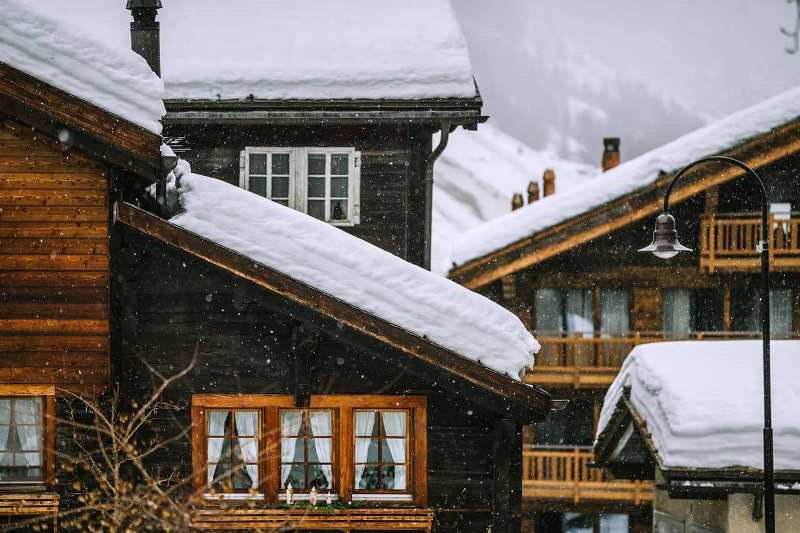
(Maria Orlova/pexels)
Two Names, One Product
Heat tape and heat cable are the same thing. Websites, contractor listings, and hardware stores use both terms interchangeably, so you may see either one depending on where you look.
The product itself is a low-wattage cable. The cable plugs into a nearby power source and draws a small amount of electricity to warm the areas where ice is most likely to form. This keeps meltwater moving off your roof, through gutters, and down to the ground.
A heat cable installation typically runs cable along the lower edges of the roof, through the gutters, and down the downspouts.
Most professional-grade heat tape is self-regulating. That means the cable responds to the surrounding temperature. When conditions get colder, the cable produces more heat. As temperatures rise, it produces less heat. There’s nothing to switch on or manage by hand.
Consumer-grade heat tape, the kind sold at big-box hardware stores, often runs at a constant output or depends on a timer. Self-regulating cable adjusts automatically, making it more efficient and dependable throughout the winter.
How Ice Dams Form
To understand what heat tape does, it helps to understand the ice dams it’s designed to prevent.
Ice dams form because different parts of the roof can have very different temperatures. The upper sections of the roof sit above the heated part of your home, where heat escaping through the attic can warm the roof enough to melt the snow above it. Sunlight can add to that melting during the day, especially after a fresh snowfall.
That meltwater flows downhill until it reaches the lower edges of the roof. These eaves extend beyond the heated portion of the home, so they stay colder than the upper roof. When the water reaches these colder areas, it can freeze instead of continuing into the gutters.
The problem grows during repeated freeze-thaw cycles. A warmer afternoon can create more meltwater on the upper roof, while colder nighttime temperatures cause that water to refreeze at the eaves. Over time, each cycle can add another layer of ice and build the ridge known as an ice dam.
Once an ice dam forms, it acts like a wall along the edge of the roof. Meltwater can become trapped behind it and pool on the roof surface, where it may work its way under shingles and into the home.
How Heat Cable Disrupts the Cycle
Heat cable helps prevent refreezing along the eaves and through the gutters.
Usually installed along the lower edge of the roof, it keeps that zone warm enough for water to keep moving. Instead of freezing at the roof edge, the water drains into the gutter and flows out through the downspout.
That’s why a proper heat cable installation runs the cable through the gutter and down the downspout, not just along the roof edge. A clear drainage path on the roof doesn’t help much if the gutter is frozen solid. The cable needs to help carry water all the way down to the ground.
Heat tape may also run along the rakes, which are the sloped sides of your roof, and through the valleys, which are the low points where two roof sections meet. Valleys collect runoff from two directions at once, making them common places for ice to build up.
The cable keeps a narrow drainage channel open so water can keep flowing. It helps manage meltwater throughout the winter as temperatures fluctuate.
The Damage an Ice Dam Can Do
A small dam during a mild winter might melt away without leaving a mark. But a dam that stays through several rounds of melting and refreezing can create the right conditions for significant damage to develop.
The biggest concern is water seeping under the shingles. When meltwater pools behind an ice dam, it can push up under the shingles and reach the roof deck. This is the plywood layer that sits below the shingles. If water sits on wood long enough, it can cause soft spots, warping, or rot.
In some cases, water can move through the roof deck into the attic or living space. This can show up as a stain that spreads across a ceiling, paint that bubbles near an exterior wall, or water that appears at the top of a drywall seam.
Gutters can suffer, too. Ice is heavy. As it builds up, it adds weight to the gutters and the fascia, the board the gutters attach to. That weight can pull gutters loose or weaken the fascia.
The damage isn’t guaranteed, but the risk is real. An ice dam creates conditions that can lead to water damage. Stopping the dam is always easier than fixing what it leaves behind.
What Heat Tape Does and Doesn’t Cover
Heat tape helps prevent ice dams from forming in the areas it covers. That’s the short answer.
It keeps a drainage path open along the lower edge of your roof and through the gutter system. Water that keeps flowing is less likely to build up into a dam. For many homes in Northern Utah, the eaves, rakes, valleys, gutters, and downspouts are the spots that matter most.
That said, heat tape doesn’t cover the entire roof. In some homes, ice can still form beyond the sections where the cable runs. How often this happens depends on factors like attic insulation and roof ventilation. It may also depend on where heat escapes from inside your home.
A heat tape system is not a guarantee that ice will not form on your roof, but it can significantly reduce the risk of ice dams in the areas it protects.
Prepare Before Winter Arrives
By the time ice dams appear, it’s likely that winter conditions will make it more challenging to address the problem. A properly installed heat cable system helps you prepare before snow and ice begin building up.
For Northern Utah homes, a professional heat cable installation in Logan, Tremonton, or Ogden can provide a proactive way to manage ice buildup and protect vulnerable areas of your roof through the freeze-thaw cycles that come with the season. That preparation can mean fewer winter surprises and a roof better equipped to handle the demands of Utah weather.