
How Ice Damages an Asphalt Shingle Roof
Ice dams form when snow melts on the warmer upper roof, and the runoff refreezes when it reaches the cold eaves. The ice itself can cause damage, but the bigger problem is that the ice blocks the path of meltwater on the roof. Without anywhere to go, it pools behind the ice.
A shingle roof is designed to shed water. Standing water presses uphill against the shingles, creating a situation where water can seep in between seams. Water that gets past the shingles can soak the underlayment and decking.
Wet decking softens, and softened decking loses its grip on the nails holding the shingles above it. Sections that stay wet or get wet during several storms can swell to the point of needing replacement.
When water gets below the decking, you may start to see signs of it indoors. Bubbling or peeling ceiling paint is often the first sign, followed by water stains that spread with each thaw. Moisture that lingers inside a ceiling or wall creates conditions for mold and mildew to grow, which can turn a roofing problem into a remediation project.
A shingle roof is a major investment with a lifespan measured in decades, and repeated ice damming shortens that lifespan. Paying for a new roof and then losing years of it to a preventable water problem is the outcome we aim to prevent.
Whether you have experienced ice damming in the past or simply want to avoid the problem before it has a chance to start, Lion Flow can help. We’ll evaluate the design and conditions on your roof and recommend a heat tape system to prevent ice from forming on your roof or in your gutters.
Where an Asphalt Roof Needs Heat Cable Most
Heat cable installation for asphalt shingle roofs covers the sections of the roof where ice is most likely to form. By warming these areas, it helps prevent ice dams and keeps the drainage path for meltwater open.
Eaves
The cable typically zigzags along the lower few feet of every eave where the roof extends beyond the home’s outer walls. The zigzag pattern creates a wide heated path on the part of the roof where ice often forms first. The heat tape provides a warm route from the shingles to the gutter, allowing meltwater to flow from the roof.
Valleys
In many cases, valleys get their own heat cable runs. Because they collect meltwater from two roof planes into a single channel, the water often freezes. A valley that drains into a lower-pitched section is another area of concern because the water slows down exactly where the surface is coldest.
Gutters and Downspouts
Water leaving a heated eave still has to travel through the gutter and downspout. When water hits unheated gutters just below the shingles, it can freeze. Over time, ice in the gutter can block the downspouts, preventing meltwater from flowing. A complete heat tape system includes runs in both the gutters and downspouts.
It’s important to note that heat tape is not designed to melt every flake of snow off the roof. Snow on the upper sections may stay there all winter without causing harm. The cable’s job is very specific. It keeps the drainage path open so meltwater exits rather than pooling.
How to Know if Your Roof Needs Heat Tape
Have you had an ice dam on your roof before?
Prior evidence of ice damming is a strong indicator that you may benefit from a heat tape system. Large icicles along the eave, a ridge of ice that is visible at the gutter line, or a ceiling stain below the roof edge all point to freezing along the drainage path. Heat tape installation can help keep meltwater flowing and prevent the same conditions that caused problems before.
How well does your roof shed water?
Low-pitched eave sections drain slowly, and slow water on a cold surface freezes. Complex rooflines with several valleys have more collection points than simple gables. North-facing eaves sit in shade through the coldest months and hold their ice longer between thaws. If meltwater is staying on your roof longer than it should, it has more opportunities to freeze and form an ice dam.
Is warm water escaping into the attic?
Warm air escaping from the living space into the attic can raise the temperature of the roof deck and cause snow to melt faster. Proper insulation, air sealing, and ventilation can reduce that heat transfer and help limit the amount of meltwater reaching the cold eaves.
Heat tape addresses what happens when meltwater reaches the roof edge. It keeps a drainage path open t so water can continue moving. For some homes, improving the attic and installing heat cable can work together to address both the source of excess snowmelt and the freezing conditions at the roof edge.
Is ice forming in your gutters or downspouts?
Ice in the gutter or downspout can block meltwater even when the roof itself looks clear. If water reaches the gutter and freezes before it can reach the downspout, it can back up toward the roof or spill over the gutter. A heat cable system that continues through the gutters and downspouts helps keep the full drainage path open.
Most heat tape installations on asphalt roofs happen after the first bad winter, once the homeowner has seen firsthand what an ice dam can do. But you don’t have to wait for signs of damage to get an estimate for a heat cable system for your asphalt shingles from a heat cable installer. Lion Flow can evaluate your roof and design a plan for preventing ice dam formation before winter begins.
Why New Shingle Roofs Come Without Heat Tape
A brand-new home comes with a brand-new roof, but it usually doesn’t have ice dam protection at all. Heat tape is not required by building code. A home can pass inspection without it, so general contractors leave it off new builds. That doesn’t mean the builder did not cut a corner. It simply means that type of protection is not included.
The same problem happens with roof replacements. Any heat cable on your old roof comes off with the shingles, and roofers typically do not reinstall heat tape after installing new shingles.
If you want to protect your new roof from ice dams, it’s time to schedule a fresh heat cable installation for asphalt shingles with a heat tape contractor. A new roof is a clean starting point for a system designed around the roof’s eaves, valleys, gutters, and downspouts, so the drainage path is ready before the first freeze-thaw cycle.
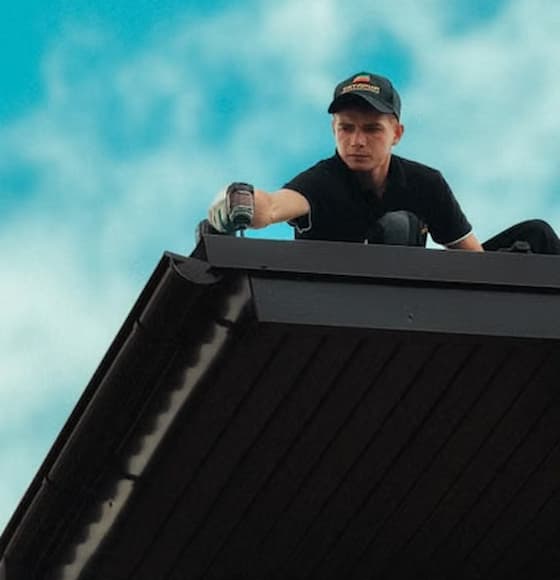
The Hardware That Protects Your Heat Cable System
The cable in a store-bought kit and the cable in a professional install perform closer to each other than most people expect when both are new. The parts that secure and protect the cable are where the differences lie. On a shingle roof, the clip is one part that contributes to the system’s lifespan.
Heat Cable Clips
Grip clips are built for asphalt shingles and are the most-used piece of hardware in heat tape installation. They hold the cable flat against the shingle surface where it can warm the path the water travels.
Commercial-grade grip clips are made of thick metal that keeps its hold through years of freeze-thaw cycling. The thin clips packed into consumer kits may loosen season by season, letting the cable drift a little further out of position until it no longer covers the eave it was protecting.
Cable Guards
Heat cable runs continuously on the roof, through the gutters, and down the downspouts. Cable guards keep the cable from rubbing as it turns into the downspout and contacts metal during every expansion cycle. A worn-through jacket at that hidden turn is one of the most common reasons a system may stop working.
Temperature Regulators
The regulator plugs into the cable and the home’s power. It switches the system on when outdoor temperatures drop toward freezing and switches it off when the weather warms. It keeps the cable from running when heat is not needed, reducing wear on the system.
The self-regulating heat cable then adjusts its heat output based on the temperature along the cable, providing more heat where conditions are colder and less as temperatures rise. Together, the cable and regulator help the system respond independently to the weather conditions and fluctuating temperatures. And you don’t have to remember to plug anything in before a cold snap or unplug it after.
Lion Flow’s Approach to Heat Tape Installation
Lion Flow designs each asphalt shingle heat tape system to follow the roof’s established drainage pattern. Before installation, the team evaluates the eaves, valleys, downspouts, gutters, roof transitions, and other areas where meltwater needs to keep moving. The cable layout we use follows those specific areas.
Lion Flow uses self-regulating heat tape with grip clips designed for asphalt shingles. The cable follows the planned route along the roof and continues through the gutters and downspouts, so the heated drainage path extends all the way to the ground. We use cable guards at points where it changes direction or enters the drainage system so it doesn’t rub and wear against other surfaces. A Thermacord regulator controls operation based on outdoor temperature.
The electrical setup is part of the planning process as well. If the home needs an outlet for the system, Lion Flow coordinates with a licensed electrician before the heat cable installation. Estimates are based on the actual roof layout, since the size and design of each home determine the amount of cable, hardware, and installation work required.
Workmanship coverage is included with each installation. Lion Flow provides asphalt shingle heat tape installation throughout Northern Utah, including Farmington, Ogden, Bountiful, Layton, Brigham City, Logan, and surrounding communities in Cache, Box Elder, Davis, and Weber counties.
Prepare Your Shingle Roof for Winter
Ice dams are easier to address before snow covers the roof and freezing temperatures turn a drainage problem into a repair. Lion Flow can evaluate your asphalt shingle roof, identify the areas that need protection, and design a heat tape system around the roof’s eaves, valleys, gutters, and downspouts.
Whether you have an older roof or recently replaced your shingles, now is the time to call a heat tape installer for asphalt shingles and make a plan for the next freeze-thaw cycle. Contact Lion Flow for a free estimate on heat tape installation for your asphalt shingle roof.
FAQs
Do grip clips damage asphalt shingles?
Grip clips fasten to the shingle surface and hold the cable in position without penetrating the shingle or creating water entry points. They are designed to hold firm without causing shingle damage. Shingle damage is more likely to occur when shingles are brittle from age or extreme cold.
How much heat cable does a typical asphalt shingle roof need?
The amount of cable depends on the total length of the eaves, valleys, gutters, and downspouts. A cable run in a zigzag pattern along an eave must be roughly two to three times the eave length, depending on the pitch of the roof and the width of the zigzag pattern. Precise measurements of your roof can give you an accurate estimate of the cable needed.
Can heat tape be installed on a brand-new asphalt shingle roof?
Yes. Building code does not require contractors to add heat tape to new roofs or new roof installations. If you want a heat tape system for your new roof, you will need to call a heat cable contractor for installation on asphalt shingles. Scheduling before the first winter helps protect your investment from the start.
How soon after a shingle replacement can new heat cable be installed?
Once the new shingles are fully installed and seated, heat cable installation can begin. There’s no waiting period required. You can schedule heat tape installation in the weeks following a roof replacement with Lion Flow.
Will heat tape affect my shingle manufacturer's warranty?
Terms vary by brand and product line. The type of clips and fastening method used in the installation can affect manufacturer warranty conditions, which is one reason clip selection matters. We use grip clips on asphalt installations specifically because they’re designed to avoid damaging the shingle surface.
If you have questions about the warranty on your roof, contact the shingle manufacturer or review the warranty documentation directly.
Will heat cable affect the appearance of my roof?
The cable runs along the lower portion of the roof at the eave line and may be visible from close range, but it typically does not stand out prominently from the street. The zigzag pattern following the eave often blends against the shingle surface when the cable is flat and properly clipped. A cable that has come loose from its clips and is sagging may become more noticeable.
What should I do if the cable has fallen out of its clips?
A cable that has separated from its clips is no longer making proper contact with the roof surface, reducing the system’s effectiveness. A loose cable is also at greater risk of wear from wind movement and foot traffic, so addressing it sooner rather than later extends the system’s life.
Does heat tape work on older asphalt shingles that are nearing replacement?
Yes, we can install heat cable on aging shingles. However, when you replace your roof, the roofers will remove the heat cable, and you will need to schedule a new installation. For some homeowners, installing cable on a roof that’s a year or two from replacement is still worth doing because it provides significant protection for the home.
Can heat cable be added to just part of an asphalt shingle roof?
Adding coverage to a specific problem section, such as a north-facing eave that consistently produces ice dams, is a reasonable approach. However, the partial installation should still cover the full path from the roof surface through the gutter and downspout for that section, or the drainage path may still have a freeze point further down. Lion Flow assesses which sections need coverage based on the specific drainage patterns of your roof.
Does heat tape still work on asphalt shingles during very cold snaps?
Self-regulating heat cable increases its power draw as temperatures drop, so it actually produces more heat during the coldest conditions. This is different from constant-wattage cable, which runs at a fixed output regardless of how cold it gets.
During the extended cold stretches that Northern Utah sees in January and February, self-regulating cable is better equipped to maintain an open drainage channel than a fixed-output system.
How long does an asphalt roof heat tape installation take?
Installation for a single-family home with a straightforward roofline typically takes a day. Homes with multiple eave lengths, several valleys, dormers, or complex gutter layouts may take longer.
What's the most common reason asphalt roof heat cable systems stop working?
A common failure point in consumer-grade systems is the cable’s internal resistance element failing, which occurs faster in constant-wattage cable than in self-regulating cable due to continuous thermal stress.
In professionally installed systems, clips can come loose, allowing the cable to shift out of position and reducing thermal contact.
Cable jacket cracking at wear points, particularly where cable runs through the downspout, is another common failure point that cable guards help prevent.