
If the term “heat tape” is new to you, you’re not alone. Heat tape, also known as heat cable, helps prevent the ice dams that can create wintertime roof damage in Northern Utah. It works best for residential ice dam prevention when installed before problems start, but it usually isn’t on most homeowners’ radars until there’s already ice on the roof.
How does heat tape work? Do you have to turn it on and off? What should you look for in a properly installed system? Let’s take a closer look.
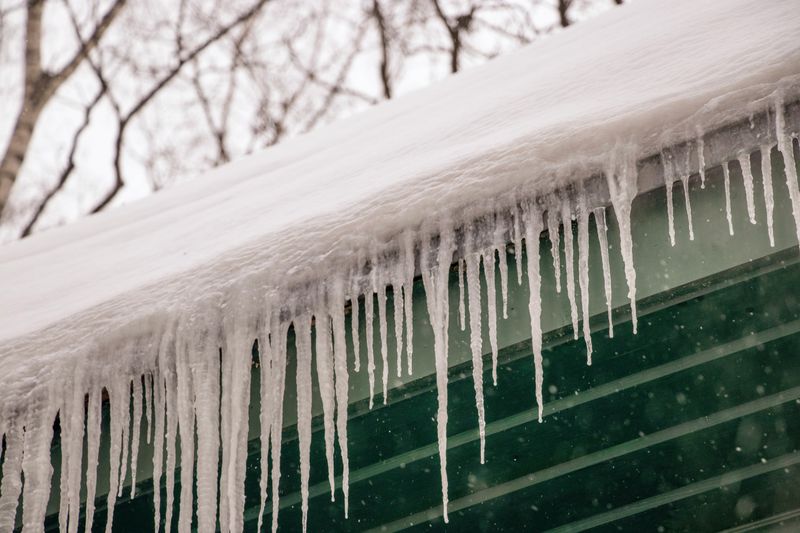
(Olga Shiryaeva/pexels)
What Is Heat Tape?
Despite its name, heat tape is not a traditional adhesive tape. It’s actually a flexible electrical cable that’s installed along ice-prone sections of the roof and gutter system. When electricity flows through the cable, it creates heat. That steady warmth helps keep meltwater from freezing so water can keep draining instead of refreezing on a cold section of the roof.
Depending on where you live or who you talk to, you may hear it called heat cable instead of heat tape. Both terms refer to the same basic technology.
So how does heat tape work? The cable connects to a standard household outlet. If your home doesn’t have an accessible outlet near the soffit or downspout area, you may need one installed first. A licensed electrician should handle that work. It is usually separate from the heat tape installation.
Hardware stores sell heat tape for DIY installation, and it serves the same basic purpose as the professional-grade cable installed by trained contractors. The difference is in the details. Professionals have the proper tools and often offer higher-quality materials, self-regulating technology, and expert installation. Those details can determine whether your system lasts for years or gives out after one winter.
Why Do Ice Dams Form?
For many homeowners, the decision to install heat tape makes more sense once you understand the ice dams it’s designed to prevent.
The temperature across a roof is not always consistent. The upper sections are often warmer due to heat that escapes from the living spaces below. That warmth melts snow even when the air outside is below freezing, and the meltwater runs down the roof.
The lower roof edges tend to be colder because they extend past the heated part of the home and are surrounded by cold air. When meltwater starts freezing there, it blocks water from draining off the roof. That trapped water can back up under shingles and seep into your roof, leading to leaks, mold, rot, and water damage. The expanding ice can also loosen or damage shingles and other roofing materials.
Roof valleys can create another problem area. A valley is the spot where two roof planes meet, and water from two directions funnels into one narrow channel. When that water freezes, ice can build up quickly and block water from draining.
In Northern Utah, daytime sun and warmer temperatures can melt snow on the roof. When temperatures drop overnight, that meltwater can freeze again. This repeated pattern of freezing and thawing can make the damage worse as winter goes on.
How Does Heat Tape Keep the Drainage Path Open?
Heat tape prevents ice from forming by keeping specific roof sections warm enough to reduce ice buildup and keep water draining.
The target areas for heat tape are the places where freezing tends to happen: eaves, rakes, valleys, and gutters. The goal isn’t to melt all the snow on the roof. It’s to keep meltwater moving so it can safely run off the roof instead of pooling and refreezing.
On asphalt roofs, the cable typically runs in a zigzag pattern along the eave rather than a straight line. This approach covers a wider band of the lower roof surface, so ice is less likely to form just above a single cable line where the protection ends. The width of that band depends on the roof’s shape and where ice has historically built up on that specific home.
When installed correctly, heat tape gives meltwater a warm path to follow. Instead of freezing at the roof’s edge and backing up under the shingles, the water keeps draining.
How Does Self-Regulating Heat Tape Work?
A professional self-regulating heat cable installation includes self-regulating cable, proper controls, and accessories selected for the roofing materials. Together, these components help create a more dependable system than a basic consumer plug-in heat tape kit.
Self-regulating heat tape adjusts automatically as temperatures change. When conditions drop below freezing, the cable produces more heat to keep water moving. When conditions warm up, it produces less heat. An automatic controller can also turn the system on and off, so the system responds to winter conditions without relying on the homeowner to manage it manually.
An always-on cable system can wear out more quickly and run up your electric bill. A system that has to be plugged in and unplugged by hand adds one more task to the homeowner’s plate. And a system you forget to turn on, can’t do its job.
A self-regulating heat tape system helps solve all these problems. It runs when conditions call for it and turns off when they don’t. For long-term reliability, it’s hard to beat the ease of a system that can manage itself.
How Does the Gutter Run Complete the System?
Gutters carry water off the roof and away from the foundation. When a gutter freezes, it can’t do that job. Ice buildup in the gutter can cause meltwater to back up, refreeze, and add weight to gutters and the fascia boards they attach to.
A complete heat tape installation runs cable through the gutter trough and down through the downspout. The downspout run is especially important because it’s where water exits the drainage system. A frozen downspout can block everything above it. Running cable through the downspout keeps the full exit path open.
By running heat tape in the gutter, you create a complete drainage path from the roof surface to the ground. Water that melts on the roof has a clear, heated path to follow with fewer cold spots where it can refreeze along the way.
What Does the Full System Do for Your Roof?
Heat tape doesn’t stop snow from falling or temperatures from dropping, but it helps clear the path for meltwater to move off the roof without refreezing.
Choose a self-regulating heat tape system that covers the eaves, rakes, valleys, gutters, and downspouts. Coverage for all these areas helps you get ahead of winter roof problems before they start, protecting your home from ice dams, leaks, and costly damage.