
Snow that would linger on asphalt shingles often slides off metal sooner and in larger sections. That’s part of why metal roofs have such a strong reputation in snowy places.
But a metal roof doesn’t eliminate every winter problem. Some homes still need metal roof ice-melt systems to protect areas where snowmelt slows down and meltwater refreezes.
That makes the path of the meltwater important. As snow melts, water moves toward the lower parts of the roof, where it can reach cold eaves and gutters and freeze again. Those areas can become the starting point for ice dams and heavy icicles.
A metal roof may change where ice tends to form. It doesn’t make the roof edge any warmer.
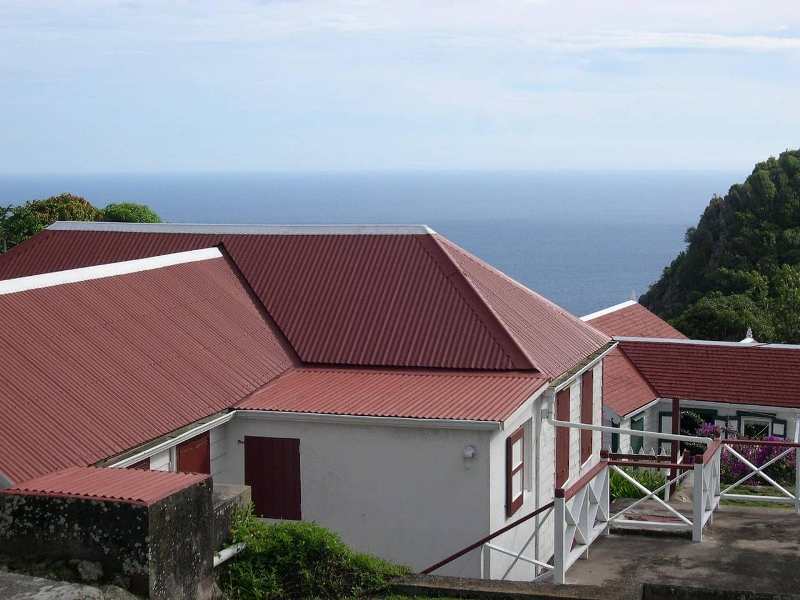
(sailormn34/pixabay)
Where the Metal Roof Advantage Ends
The winter advantage of a metal roof mostly applies to the main roof panels. The smooth surface helps snow slide more easily. On a steeper roof, it can keep snow from sitting as long as it might on asphalt shingles.
That’s a real benefit.
The limitation shows up at the lower edge of the roof. Meltwater still runs downhill, and when the water reaches the eaves, it may hit a section of the roof with no warm attic beneath it and refreeze. From there, ice can build up along the eaves or inside the gutters.
Metal roofs can also have trouble spots higher up. Valleys collect runoff from two roof planes, which can make them more vulnerable to snow and ice buildup. Flashing and other roof transitions can change the path water takes, while ribs and seams can influence how snow and meltwater move across the surface.
That’s why a metal roof still needs a planned layout. The heat cable should follow the way water actually moves, accounting for ribs, flashing, and other obstacles.
The Hazard Below the Roof
Asphalt shingles often hold snow in place, allowing it to melt more gradually as temperatures rise. Metal roofs can shed snow in larger sheets, sometimes sending a significant amount of snow toward the ground at once.
That can make the area below the roof a safety concern, especially over entryways, sidewalks, driveways, and other places where people or vehicles may be. A large sheet of snow or ice falling from a metal roof can cause injury or damage property.
Heat cable doesn’t prevent snow from sliding off the roof. It’s not a snow-retention system. It doesn’t make a metal roof stop shedding snow. Its job is to help keep meltwater moving through valleys, along the roof edge, and into the gutter instead of allowing it to refreeze along the roof edge.
How Heat Tape Installation Is Different on a Metal Roof
On a metal roof, a heat tape system has to work with the roof’s construction. Standing-seam panels have raised seams running from the ridge toward the eaves, creating natural attachment points for the cable.
So, installers can use clamp-style clips that grip the raised seams instead of drilling through the metal panels. The clips need to match the seam profile so they hold the cable securely without compromising the roof’s watertight surface.
The roof’s movement also matters. Metal panels expand and contract as temperatures change, so the cable and its hardware need to stay secure while allowing for that movement. Poorly matched or loosely installed clips can allow the cable to shift out of position over time.
The cable only protects the areas it covers. If it moves away from an eave, valley, or gutter where meltwater needs to stay moving, those areas can still develop ice.
Don’t Overlook the Gutters
A metal roof may shed snow and water well, but the gutter system can still freeze. Once water leaves the roof panels, it often lands in a gutter that’s exposed to cold air from all sides.
A frozen gutter blocks the roof’s drainage path. Water can collect at the edge, freeze again, and add weight to the gutter system. In some cases, that ice can also push back toward the roof edge.
That’s why gutter heat cable installation should be part of a complete plan for metal roofs.
Cable in the gutter helps keep water moving after it leaves the roof. Without cable running along the entire path, the water may flow off the roof, only for it to freeze a few inches downstream.
November Is a Good Time for Heat Tape Installation
Rooftop installation is generally easier before freezing weather and winter storms become frequent. In Northern Utah, November can still offer opportunities to install heat cable, but conditions become less predictable as the month goes on.
Once temperatures stay near freezing, roof work gets harder. Metal panels can hold frost through the morning, and ice or snow can make the roof and gutters more difficult to work on safely.
Heat cable can sometimes be installed later in the season, but winter conditions may leave you with fewer options. If ice has already formed, an installer may need to address those conditions before the system can be installed correctly.
An installation before the deep freeze gives you time to test the system. It also gives the installer a chance to check whether the clips are seated well and whether the layout covers the right areas.
Additionally, standing-seam metal roofs may also need extra planning. Seam clips have to match the seam profile, and that takes a proper look at the roof before installation. Planning ahead makes it easier to order the right parts and complete the job properly.
A Metal Roof Still Needs Winter Prep
A metal roof handles winter better than many roofing materials. Snow moves sooner, and the main panel surface may stay clearer than an asphalt roof.
But a metal roof can’t warm the eave overhang. It can’t keep a gutter from freezing on its own. It also can’t change what happens when meltwater reaches a cold edge with nowhere to go.
That’s where the right ice protection helps.
A well-planned system keeps water moving through the areas where ice is most likely to form. On a metal roof, that means paying attention to the panel shape and the full drainage path.
The best time to plan that system is before winter makes the work harder.
At Lion Flow, we handle heat cable installation for metal roofs across Northern Utah, including Box Elder, Cache, Weber, Davis, and Salt Lake counties. We plan each layout around the roof’s shape and drainage needs so the system is ready before ice becomes a problem.